Vyvanse 30mg: Uses, Benefits, and Safety Guide
Wiki Article
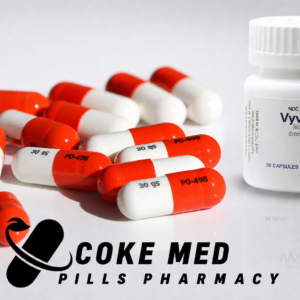
Vyvanse 30mg is a prescription medicine that contains lisdexamfetamine. It belongs to a group of medicines known as central nervous system stimulants and is primarily used as part of a treatment plan for attention deficit hyperactivity disorder (ADHD). It is also approved for the treatment of moderate to severe binge eating disorder in adults. Because Vyvanse affects brain chemicals involved in attention, activity, and impulse control, it requires careful medical supervision.
Understanding how Vyvanse 30mg works, what to expect from treatment, and which precautions matter can help patients use this medicine responsibly.
What Is Vyvanse 30mg?
Vyvanse 30mg contains 30 mg of lisdexamfetamine. It is a prodrug, which means the body converts it into its active form, dextroamphetamine. This conversion takes place mainly in the blood and provides the medicine's therapeutic stimulant effect.
For people with ADHD, Vyvanse can help improve attention and reduce impulsive and hyperactive behavior. For adults with binge eating disorder, it can help reduce the number of binge-eating days when used as prescribed.
Vyvanse is available only by prescription because it belongs to a controlled class of medicines and can cause dependence or misuse when taken incorrectly.
How Does Vyvanse 30mg Work?
Vyvanse works by increasing the activity of certain neurotransmitters in the brain, particularly dopamine and norepinephrine. These chemical messengers play important roles in attention, motivation, alertness, and impulse control.
After the body converts lisdexamfetamine into dextroamphetamine, the active medicine influences these neurotransmitter systems. For someone with ADHD, this action can support better concentration and behavioral control.
The response varies between individuals. Doctors therefore consider symptoms, age, medical history, other medicines, and treatment response when determining whether Vyvanse is appropriate.
Common Uses of Vyvanse 30mg
ADHD
Vyvanse is commonly prescribed as part of ADHD management. ADHD can affect concentration, organization, impulse control, and daily functioning. Medication may form one part of a broader treatment approach that can also include behavioral strategies, education, and counseling.
Binge Eating Disorder
Vyvanse is also indicated for moderate to severe binge eating disorder in adults. Treatment may help reduce binge-eating days, although it is not a general weight-loss medicine and should not be used solely for weight management.
What Can You Expect From Treatment?
Some people notice improvements in attention and impulse control after taking Vyvanse, although the timing and degree of response can differ. A healthcare professional generally monitors the treatment response and may adjust the dose when appropriate.
Vyvanse 30mg may provide effects throughout much of the day because of the way lisdexamfetamine is converted into its active form. However, the duration varies from person to person.
Taking the medicine exactly as prescribed is important. Patients should not increase the dose, take additional capsules, or change the treatment schedule without discussing it with their healthcare professional.
Common Side Effects
Like other stimulant medicines, Vyvanse can cause side effects. Common effects may include:
- Reduced appetite
- Dry mouth
- Difficulty sleeping
- Headache
- Stomach discomfort
- Nausea
- Increased heart rate
- Irritability
- Anxiety
- Feeling jittery
These effects can vary in severity. Some may improve as the body adjusts to treatment, while others may require medical attention.
A healthcare professional should know about persistent, severe, or unusual symptoms.
Important Safety Considerations
Vyvanse requires particular caution in people with certain medical conditions. Before starting treatment, patients should tell their healthcare professional about heart problems, high blood pressure, mental health conditions, circulation problems, thyroid disorders, or a history of substance misuse.
Stimulant medicines can increase heart rate and blood pressure. Regular monitoring may therefore be appropriate during treatment.
Vyvanse can also interact with certain medicines. For example, monoamine oxidase inhibitors (MAOIs) can cause serious interactions and generally require a specific time interval before or after Vyvanse treatment. Patients should provide a complete list of prescription medicines, over-the-counter products, and supplements to their healthcare professional.
Vyvanse and Dependence
Lisdexamfetamine is a controlled stimulant with potential for misuse, abuse, and dependence. Taking more than the prescribed amount can increase the risk of serious adverse effects.
Patients should take Vyvanse only when it is prescribed for them and should never share it with another person. Keeping the medicine in a secure location also helps prevent accidental or unauthorized use.
If there are concerns about dependence, misuse, or changes in behavior, contacting a healthcare professional is important.
Taking Vyvanse 30mg Responsibly
Vyvanse should be taken according to the prescribed instructions. The capsule can generally be taken in the morning, with or without food, according to the prescribing information. Taking it late in the day may contribute to difficulty sleeping.
Patients should avoid making dose changes independently. If a dose is missed, the appropriate action depends on the prescribing instructions and the time of day. Taking extra medicine to compensate is not recommended unless a healthcare professional specifically advises it.
Alcohol and other substances may affect how a person responds to stimulant medication. Discussing alcohol use and recreational substances openly with a healthcare professional supports safer treatment.
When to Seek Medical Help
Certain symptoms require prompt medical attention. These can include chest pain, fainting, severe shortness of breath, significant changes in heartbeat, severe agitation, hallucinations, or other serious mental or physical symptoms.
Any concerning reaction should be discussed with a healthcare professional rather than ignored.
Final Thoughts
Vyvanse 30mg is a prescription stimulant that can play an important role in the treatment of ADHD and moderate to severe binge eating disorder in appropriate patients. Its active ingredient, lisdexamfetamine, works through neurotransmitter systems associated with attention, impulse control, and other brain functions.
Safe treatment depends on following the prescribed dose, attending recommended monitoring appointments, understanding possible side effects, and communicating openly with a healthcare professional. Because Vyvanse carries a risk of misuse and dependence, it should never be used without a valid prescription or shared with others.
For anyone considering Vyvanse 30mg, the most appropriate approach is to discuss individual symptoms, medical history, current medicines, and treatment goals with a qualified healthcare professional.
Report this wiki page